/filters:format(jpeg,png)/fit-in/300x300/guide_websites/96907/images/1771339807277the-poppa-wahoo-collective-logocopy.webp)
/filters:format(jpeg,png)/fit-in/237x80/guide_websites/96907/images/1771339807277the-poppa-wahoo-collective-logocopy.webp)
/users/e4403e39-8c2f-4db1-9f16-5c3fd163d4b3/ratecard/img_3845-mlfovpe0.jpg)
%2F300x300%2Fusers%2Fe4403e39-8c2f-4db1-9f16-5c3fd163d4b3%2Fratecard%2Fimg_3845-mlfovpe0.jpg&w=256&q=75)
%2F300x300%2Fusers%2Fe4403e39-8c2f-4db1-9f16-5c3fd163d4b3%2Fimages%2Fbountiful-fishing-cruise-florida-2976.jpg&w=256&q=75)
%2F300x300%2Fusers%2Fe4403e39-8c2f-4db1-9f16-5c3fd163d4b3%2Fimages%2Fbest-great-aquatic-adventures-fl-2706.jpg&w=256&q=75)
%2F300x300%2Fusers%2Fe4403e39-8c2f-4db1-9f16-5c3fd163d4b3%2Fimages%2Fthrilling-water-sports-islamorada-3853.jpg&w=256&q=75)
%2F300x300%2Fusers%2Fe4403e39-8c2f-4db1-9f16-5c3fd163d4b3%2Fimages%2Fislamorada-water-sports-adventure-3861.jpg&w=256&q=75)
%2F300x300%2Fusers%2Fe4403e39-8c2f-4db1-9f16-5c3fd163d4b3%2Fimages%2Fadventurous-day-islamorada-3288.jpg&w=256&q=75)
%2F300x300%2Fusers%2Fe4403e39-8c2f-4db1-9f16-5c3fd163d4b3%2Fimages%2Fbest-water-sports-islamorada-3280.jpg&w=256&q=75)
%2F300x300%2Fusers%2Fe4403e39-8c2f-4db1-9f16-5c3fd163d4b3%2Fimages%2Fislamorada-water-adventures-3272.jpg&w=256&q=75)
%2F300x300%2Fusers%2Fe4403e39-8c2f-4db1-9f16-5c3fd163d4b3%2Fimages%2Fbest-water-activities-fl-3267.jpg&w=256&q=75)
%2F300x300%2Fusers%2Fe4403e39-8c2f-4db1-9f16-5c3fd163d4b3%2Fimages%2Fbest-water-sports-fishing-islamorada-3367.jpg&w=256&q=75)
%2F300x300%2Fusers%2Fe4403e39-8c2f-4db1-9f16-5c3fd163d4b3%2Fimages%2Fislamorada-water-sports-fun-3341.jpg&w=256&q=75)
Luxury Offshore Charter Islamorada | Poppa Wahoo
 Islamorada
What you will be catching:
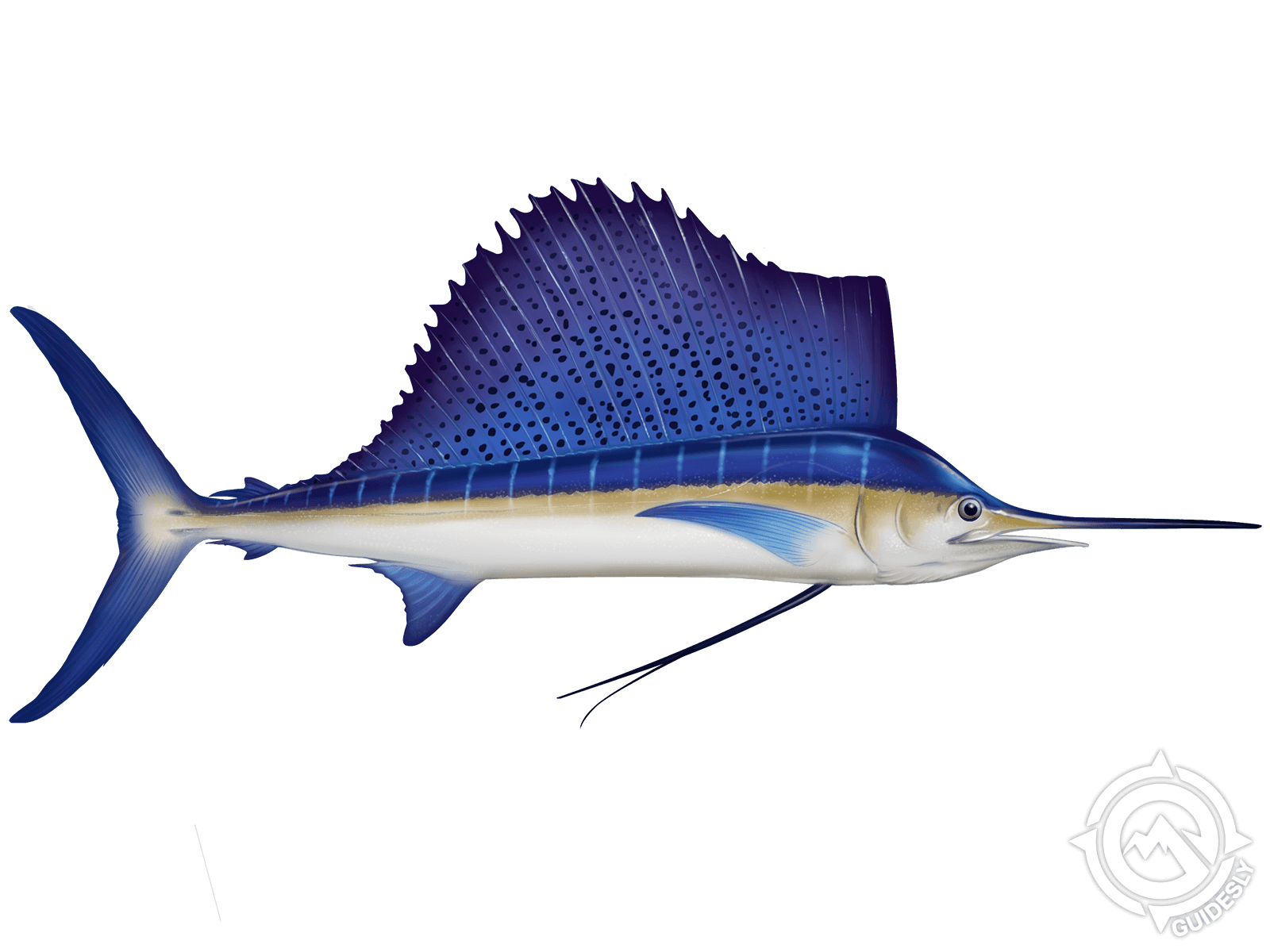
 Atlantic Sailfish
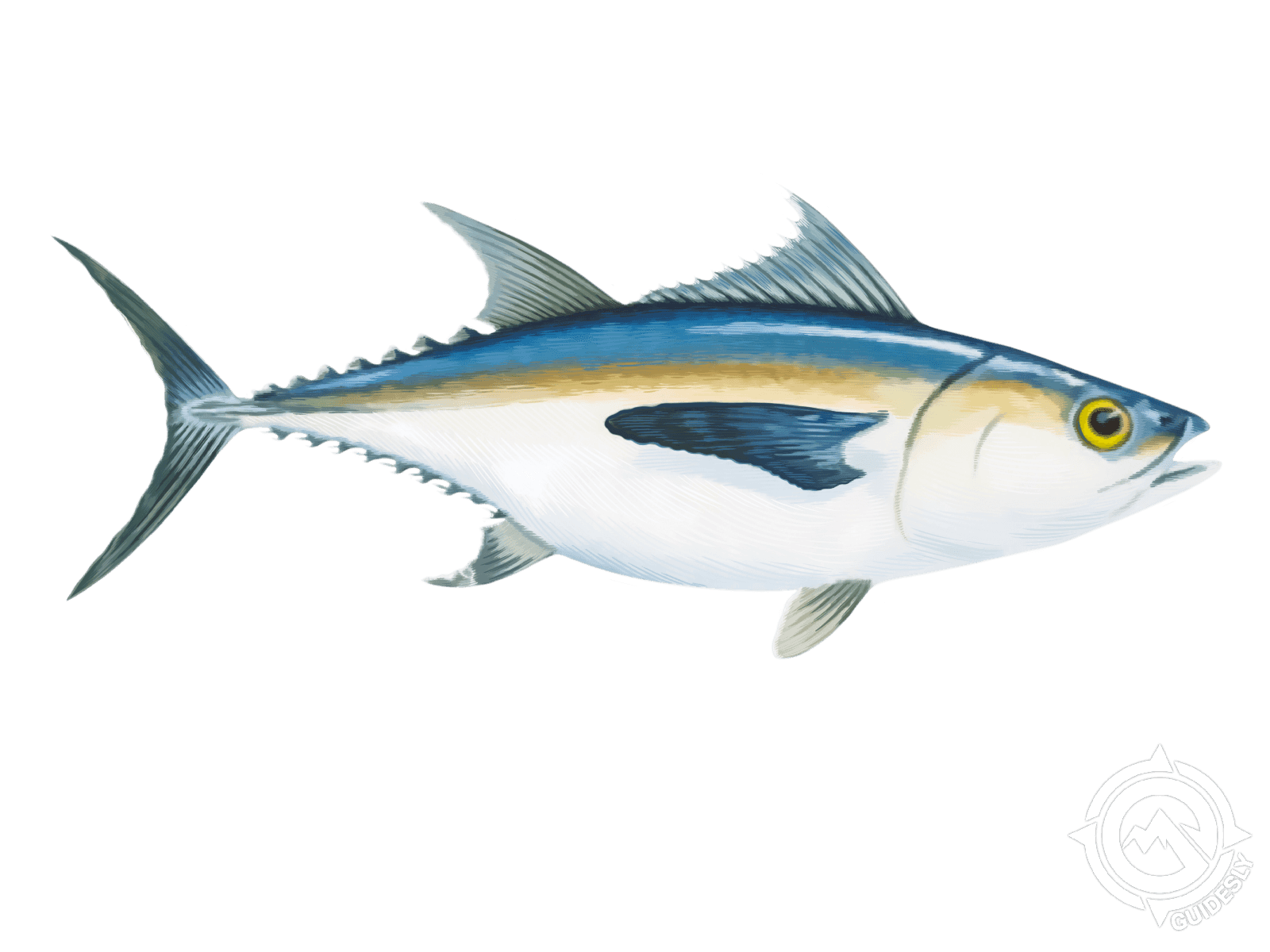
 Blackfin Tuna
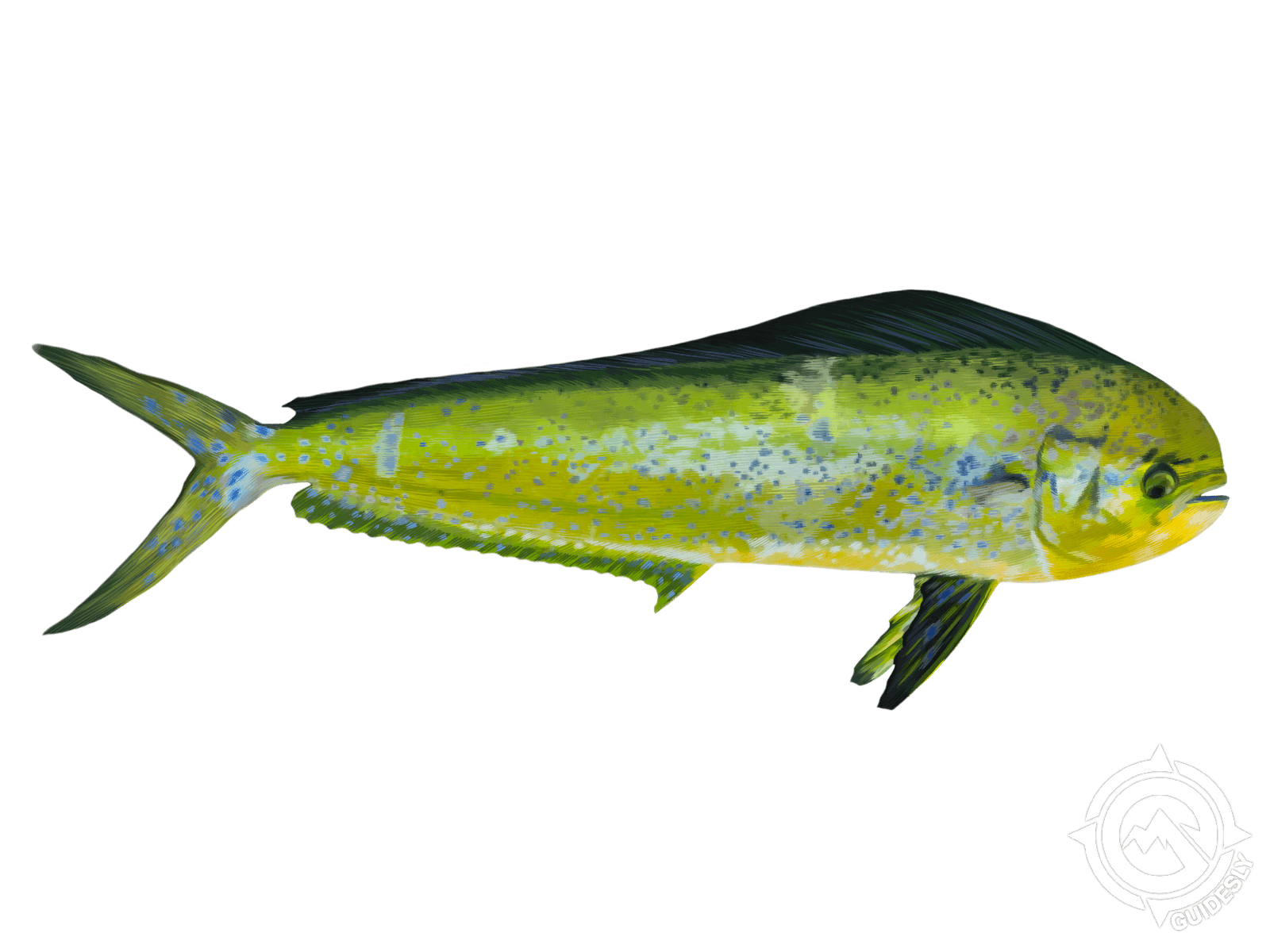
 Mahi Mahi or Common Dolphinfish
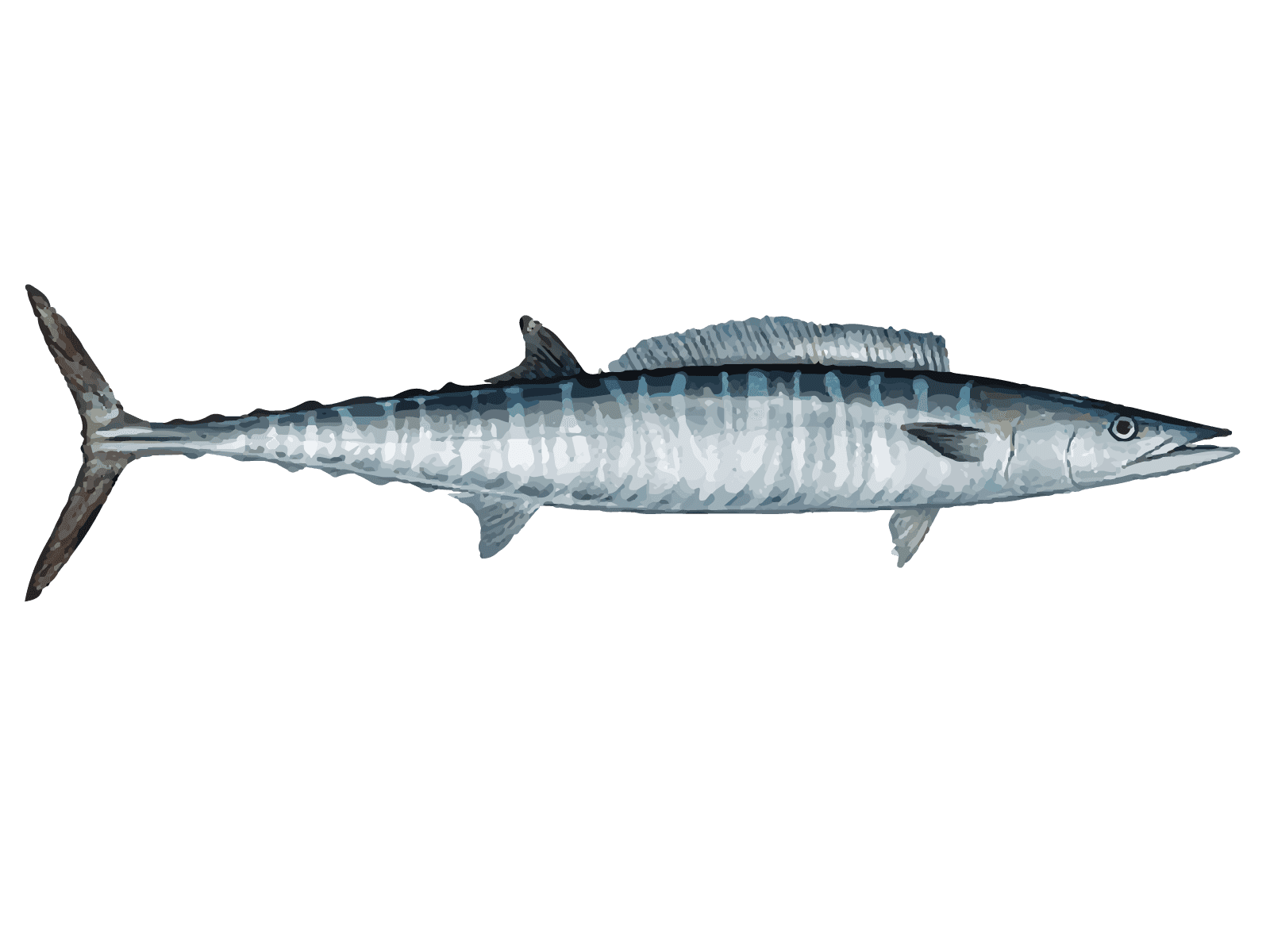
 Wahoo Fish
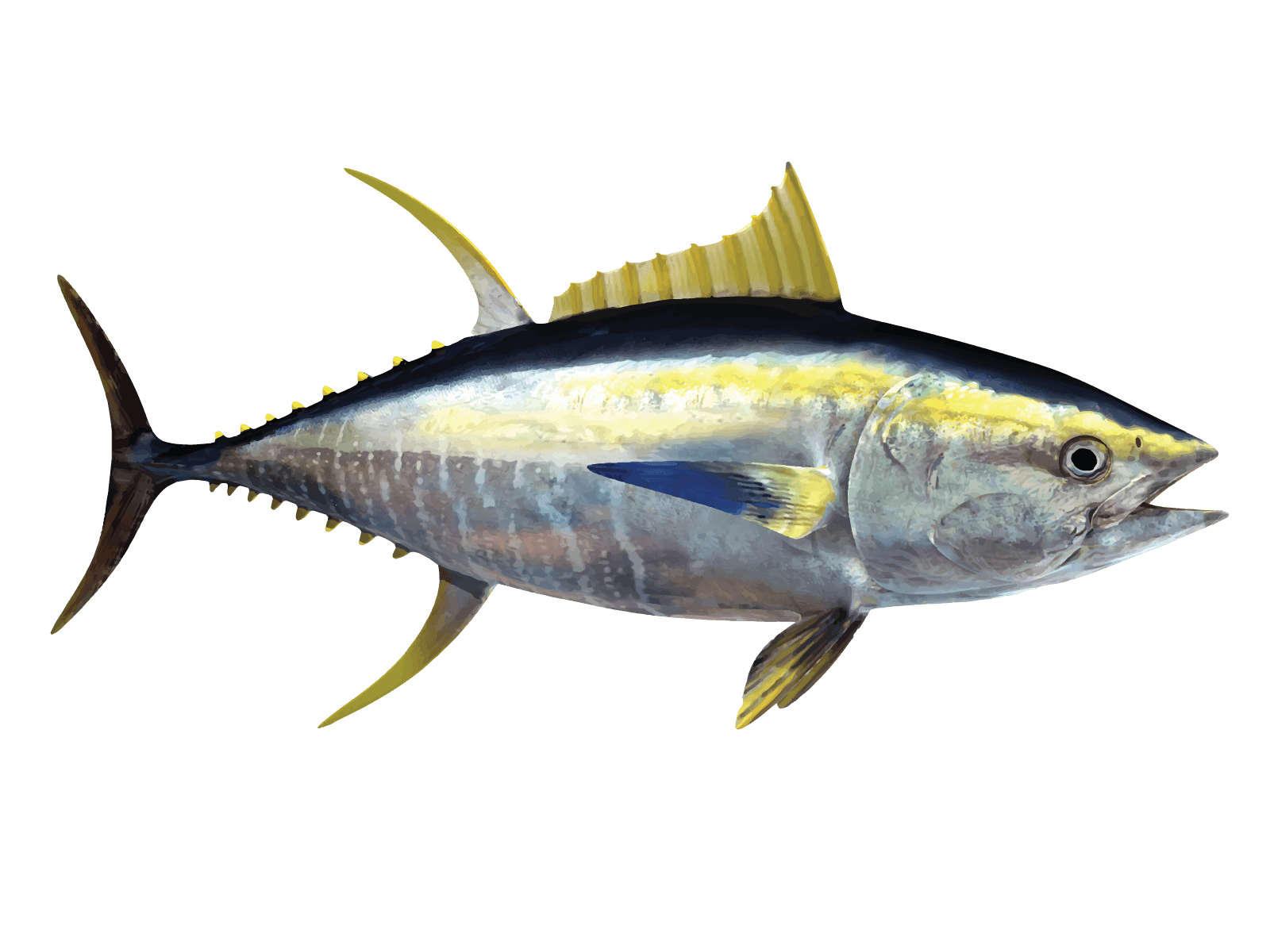
 Yellowfin Tuna
- 53-foot Hatteras sportfisher with professional crew and equipment included
- Targets mahi, tuna, snapper, and grouper in deep offshore waters
- Accommodates up to 6 anglers with air conditioning and spacious layout
Trip Pricing and Availabilities:
Offshore Fishing Charters in Islamorada
When you're ready to hit the deep blue waters off Islamorada, Poppa Wahoo Too is the vessel that'll get you there in style. This isn't your typical charter boat—we're talking about a 53-foot Hatteras sportfisher built for serious offshore action. The Florida Keys are legendary for their deep-sea fishing, and there's no better way to experience it than aboard this world-class fishing machine. You'll be targeting trophy fish in some of the most productive waters in the Atlantic, all while enjoying the comfort and amenities that make this charter stand out from the crowd. Our seasoned crew knows these offshore grounds like the back of their hand, and they'll put you on fish while making sure everyone has a great time on the water.
What to Expect on the Water
The moment you step aboard Poppa Wahoo Too, you'll notice the difference. This Hatteras is designed for offshore fishing, with spacious decks that give everyone room to move around and fight fish without getting tangled up. The ride out to the fishing grounds is smooth and comfortable—no pounding through waves in some cramped boat. We're heading to the deep water where the real action happens, usually anywhere from 8 to 20 miles offshore depending on where the fish are biting. The boat's got climate-controlled areas when you need a break from the sun, and plenty of shade options on deck. Your captain will be watching the electronics, looking for bird activity, temperature breaks, and structure that holds fish. The atmosphere is relaxed but focused—we're here to catch fish, but we're also here to have fun doing it. With a maximum of 6 anglers, you're not fighting for rod time or space at the rail.
Trolling Tactics & Top Gear
Offshore fishing in Islamorada is all about trolling, and Poppa Wahoo Too is rigged for success. We'll be pulling a spread of baits and lures at different depths and distances behind the boat, covering water and looking for aggressive predators. The boat carries top-shelf rods and reels—Penn and Shimano gear that can handle everything from a screaming wahoo to a bulldogging tuna. Your crew will set up the spread based on conditions and target species, running everything from ballyhoo and squid to high-speed lures and diving plugs. When fish are marking on the bottom machine, we might stop to drop baits down deep for snapper and grouper. The key is staying flexible and reading the water. All your tackle, bait, and fishing licenses are included, so you can focus on learning the techniques and enjoying the fight when you hook up. The crew will coach you through every step, from setting the hook to bringing the fish to the boat.
Species You'll Want to Hook
Mahi mahi are the bread and butter of offshore fishing here, and for good reason. These colorful fighters are absolutely beautiful fish that put on an aerial show when hooked. They typically run 10 to 30 pounds, though bulls can push 50 or more. Spring through fall is prime time, and they're often found around floating debris, weed lines, or current breaks. What makes mahi so special is their aggressive nature—they'll often travel in schools, so where you catch one, there's usually more. The meat is fantastic too, making them a customer favorite for both the fight and the table.
Wahoo are the speed demons of the deep, capable of hitting 60 mph and testing both your reflexes and your drag system. These silver bullets typically range from 20 to 60 pounds in our waters, with fall and winter being the hottest months. They're notorious for their blistering initial runs that can strip line faster than you'd believe. The trick is keeping a tight drag and holding on during that first explosive burst. Wahoo are prized for their firm, white meat that's considered some of the best eating in the ocean.
Yellowfin tuna bring serious muscle to the fight, with their broad shoulders and relentless power. These fish can range from 30 to over 100 pounds, and they'll test your endurance with long, grinding battles. Summer months are typically best, and they're often found in deeper water around temperature breaks. What makes yellowfin special is their stamina—they don't give up easily, making every fish a memorable achievement. The deep red meat is highly prized by sushi enthusiasts and makes for world-class sashimi.
Blackfin tuna are smaller than their yellowfin cousins, usually running 10 to 30 pounds, but they make up for it with numbers and attitude. These fish are available year-round and provide consistent action when the bigger pelagics are scarce. They're perfect for getting kids or novice anglers into the action, as they're manageable on lighter tackle but still put up a respectable fight. The dark red meat has a rich flavor that's perfect for steaks or smoking.
Atlantic sailfish are the crown jewel of offshore fishing, known for their spectacular jumps and lightning-fast runs. Winter months bring the best sailfish action, and while they're typically released, the photos and memories last forever. These acrobatic fighters can clear the water multiple times during a fight, making for some of the most exciting moments you'll have on the water. Seeing that distinctive sail fully spread as the fish jumps is something every angler should experience at least once.
Time to Book Your Spot
Poppa Wahoo Too represents the best of what offshore fishing in Islamorada has to offer. You're getting a top-rated charter experience on a renowned sportfishing vessel with a crew that knows how to find and catch fish. The combination of comfort, capability, and local knowledge makes this the kind of trip that creates lasting memories. Whether you're a seasoned angler looking for your next trophy or a family wanting to experience the magic of deep-sea fishing, this charter delivers. The Florida Keys offshore fishery
Learn more about the species
Atlantic Sailfish
Sailfish are the showboats of the offshore world - nothing matches the sight of that massive dorsal fin cutting through the water or watching one greyhound across the surface on a long run. These billfish average 6-8 feet and 40-60 pounds, but it's not about size - it's about the spectacular fight with those trademark jumps and tail-walking displays. Winter months from December through March are prime time here in the Keys when they migrate through in good numbers. We target them in 80-250 feet over the reef edge where they hunt schools of ballyhoo and sardines. The meat's not great, so most get released after photos. Here's what works: slow-troll live bait or use kite fishing to keep baits dancing on the surface. When one shows up, patience is key - let them eat the bait completely before setting the hook, or they'll throw it.
Blackfin Tuna
Blackfin tuna might be the smallest of the tuna family, but don't let that fool you - these 15-30 pound scrapperspack serious attitude. They're perfect for getting kids and beginners hooked on big game fishing since they fight way above their weight class. We target them in 80-300 feet of water, especially during fall, winter, and spring when they school up near the continental shelf. These fish have incredible eyesight, so you need to scale down your tackle - think 30-pound fluorocarbon leaders and smaller hooks. The meat is excellent, with that rich tuna flavor that's perfect for grilling or searing. Vertical jigging works great, but here's a local trick: use live pilchards as chum to bring schools up to the surface, then pitch smaller baits into the frenzy. They're cannibalistic, so don't be afraid to use small tuna strips as bait.
Mahi Mahi or Common Dolphinfish
These beautiful fish are what offshore dreams are made of - bright golden sides with electric blues and greens that put on a light show when they come out of the water. Most mahi run 15-30 pounds, but we see plenty of bulls pushing 40-50 pounds, especially around floating weed lines and debris in 100-400 feet of water. Peak season here in Islamorada runs April through October when they're following the warm currents. What makes them special is the combination - they fight hard with lots of jumps, they're absolutely stunning to look at, and the meat is some of the best eating you'll find offshore. Pro tip: when you hook one, keep your other lines in the water because mahi travel in schools and where there's one, there's usually more waiting.
Wahoo Fish
Wahoo are the Formula One cars of the ocean - sleek, fast, and built for speed. These torpedo-shaped fish average 30-50 pounds but can hit 80+ pounds, and they'll hit your trolling spread at 50+ mph, making for some of the most explosive strikes you'll ever experience. We find them year-round in 150-600 feet of water, but July through November is prime time when they're most active around temperature breaks and current edges. The fight is pure adrenaline - long, blistering runs that'll test your drag system. Plus, the meat is fantastic - white, flaky, and mild like premium swordfish. Here's the key: troll fast (12-15 knots) with wire leaders because those razor-sharp teeth will slice through mono in a heartbeat. When one hits, hold on tight and let it run.
Yellowfin Tuna
Yellowfin tuna are the heavy hitters of deep water fishing - pure muscle wrapped in a torpedo body that averages 40-80 pounds but can push well over 100. These warm-blooded speedsters cruise the top 200 feet of water, usually 15-30 miles offshore where the water turns that deep blue. Spring through fall gives us the best action when they're feeding on baitfish and squid along temperature breaks and current edges. What makes yellowfin special is the combination of brute strength and stamina - they'll make long, powerful runs that test both your gear and your arms. The meat is prized by sushi chefs worldwide, with that deep red color and rich flavor. My go-to technique is chunking with live bait when the trolling slows down - nothing beats watching one come up from the depths to crush a well-presented ballyhoo.
About the Poppa Wahoo Too
%2F%2Fusers%2Fe4403e39-8c2f-4db1-9f16-5c3fd163d4b3%2Fvehicle_picture%2Fpoppawahootoo_photo_1125-mkwy1a9i.jpg&w=1920&q=75)
Vehicle Guest Capacity: 6
Manufacturer Name: Cummins
Maximum Cruising Speed: 40
Number of Engines: 2
Horsepower per Engine: 660