/filters:format(jpeg,png)/fit-in/300x300/guide_websites/96907/images/1770824327499the-poppa-wahoo-collective-logocopy.webp)
/filters:format(jpeg,png)/fit-in/237x80/guide_websites/96907/images/1770824327499the-poppa-wahoo-collective-logocopy.webp)
//users/e4403e39-8c2f-4db1-9f16-5c3fd163d4b3/ratecard/547257585_122147428262802183_4099744345098257794_n-mkhapplp.jpg)
%2Ffit-in%2F300x300%2Fusers%2Fe4403e39-8c2f-4db1-9f16-5c3fd163d4b3%2Fratecard%2F547257585_122147428262802183_4099744345098257794_n-mkhapplp.jpg&w=256&q=75)
%2F300x300%2Fusers%2Fe4403e39-8c2f-4db1-9f16-5c3fd163d4b3%2Fimages%2Fbountiful-fishing-cruise-florida-2976.jpg&w=256&q=75)
%2F300x300%2Fusers%2Fe4403e39-8c2f-4db1-9f16-5c3fd163d4b3%2Fimages%2Fbest-great-aquatic-adventures-fl-2706.jpg&w=256&q=75)
%2F300x300%2Fusers%2Fe4403e39-8c2f-4db1-9f16-5c3fd163d4b3%2Fimages%2Fthrilling-water-sports-islamorada-3853.jpg&w=256&q=75)
%2F300x300%2Fusers%2Fe4403e39-8c2f-4db1-9f16-5c3fd163d4b3%2Fimages%2Fislamorada-water-sports-adventure-3861.jpg&w=256&q=75)
%2F300x300%2Fusers%2Fe4403e39-8c2f-4db1-9f16-5c3fd163d4b3%2Fimages%2Fadventurous-day-islamorada-3288.jpg&w=256&q=75)
%2F300x300%2Fusers%2Fe4403e39-8c2f-4db1-9f16-5c3fd163d4b3%2Fimages%2Fbest-water-sports-islamorada-3280.jpg&w=256&q=75)
%2F300x300%2Fusers%2Fe4403e39-8c2f-4db1-9f16-5c3fd163d4b3%2Fimages%2Fislamorada-water-adventures-3272.jpg&w=256&q=75)
%2F300x300%2Fusers%2Fe4403e39-8c2f-4db1-9f16-5c3fd163d4b3%2Fimages%2Fbest-water-activities-fl-3267.jpg&w=256&q=75)
%2F300x300%2Fusers%2Fe4403e39-8c2f-4db1-9f16-5c3fd163d4b3%2Fimages%2Fbest-water-sports-fishing-islamorada-3367.jpg&w=256&q=75)
%2F300x300%2Fusers%2Fe4403e39-8c2f-4db1-9f16-5c3fd163d4b3%2Fimages%2Fislamorada-water-sports-fun-3341.jpg&w=256&q=75)
Hatteras Offshore Test Trip Islamorada Poppa Wahoo
 Islamorada
What you will be catching:
 Atlantic Sailfish
 Blackfin Tuna
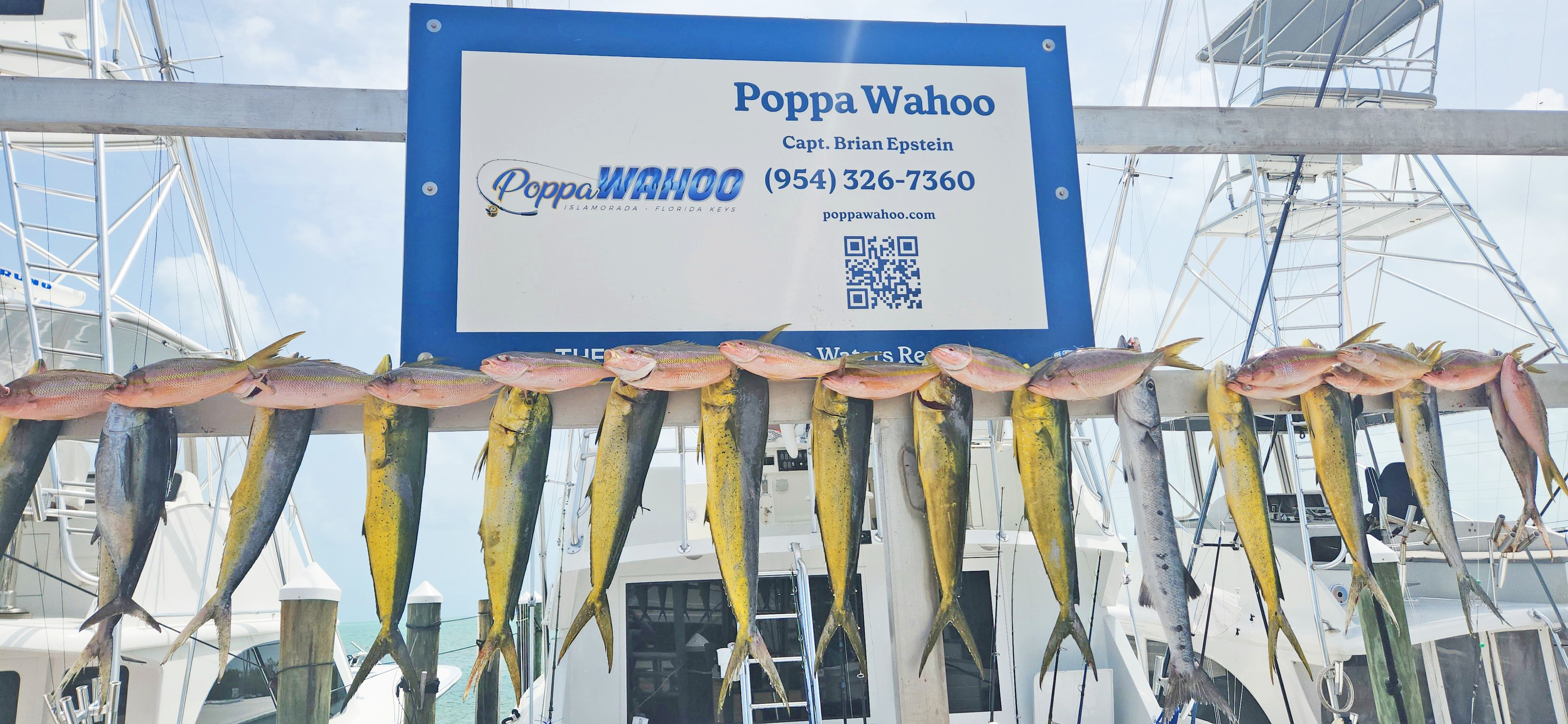
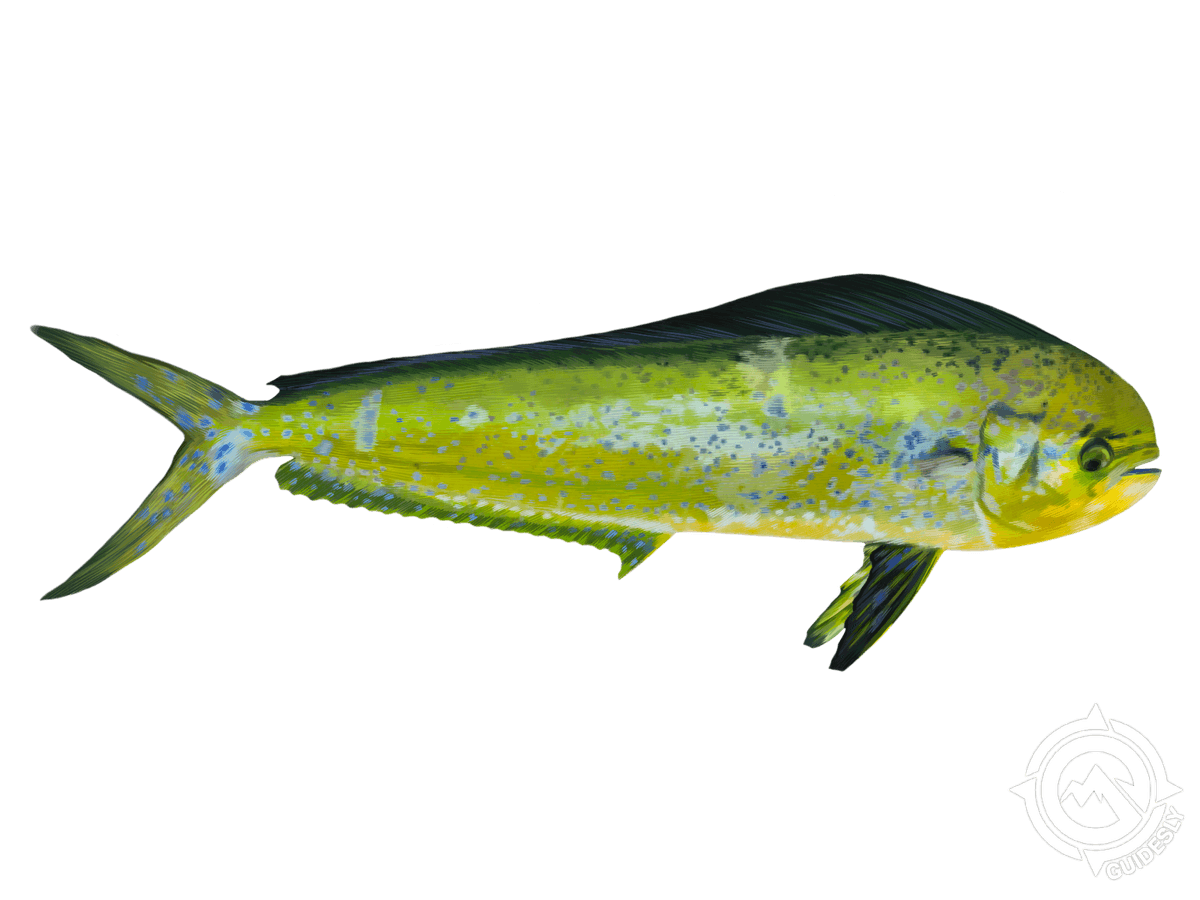
 Mahi Mahi or Common Dolphinfish
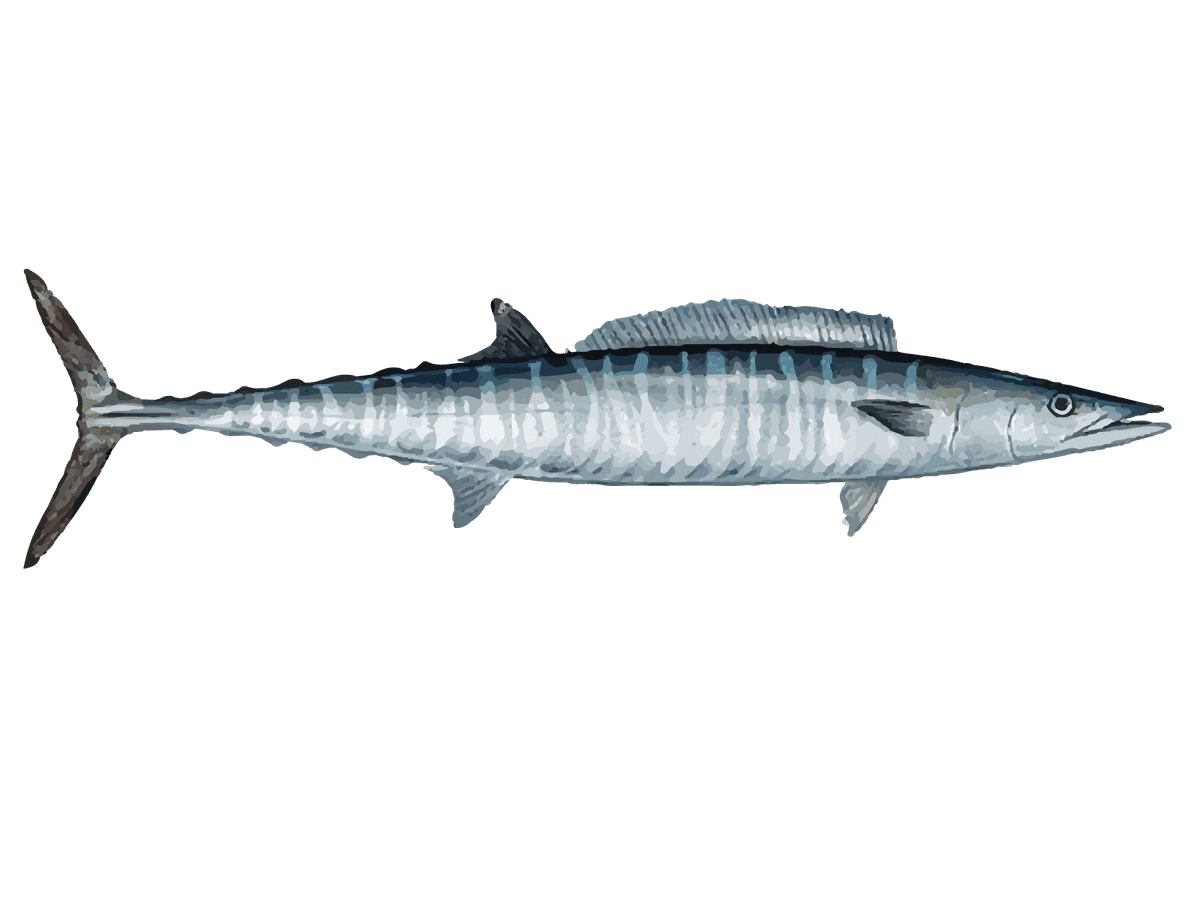
 Wahoo Fish
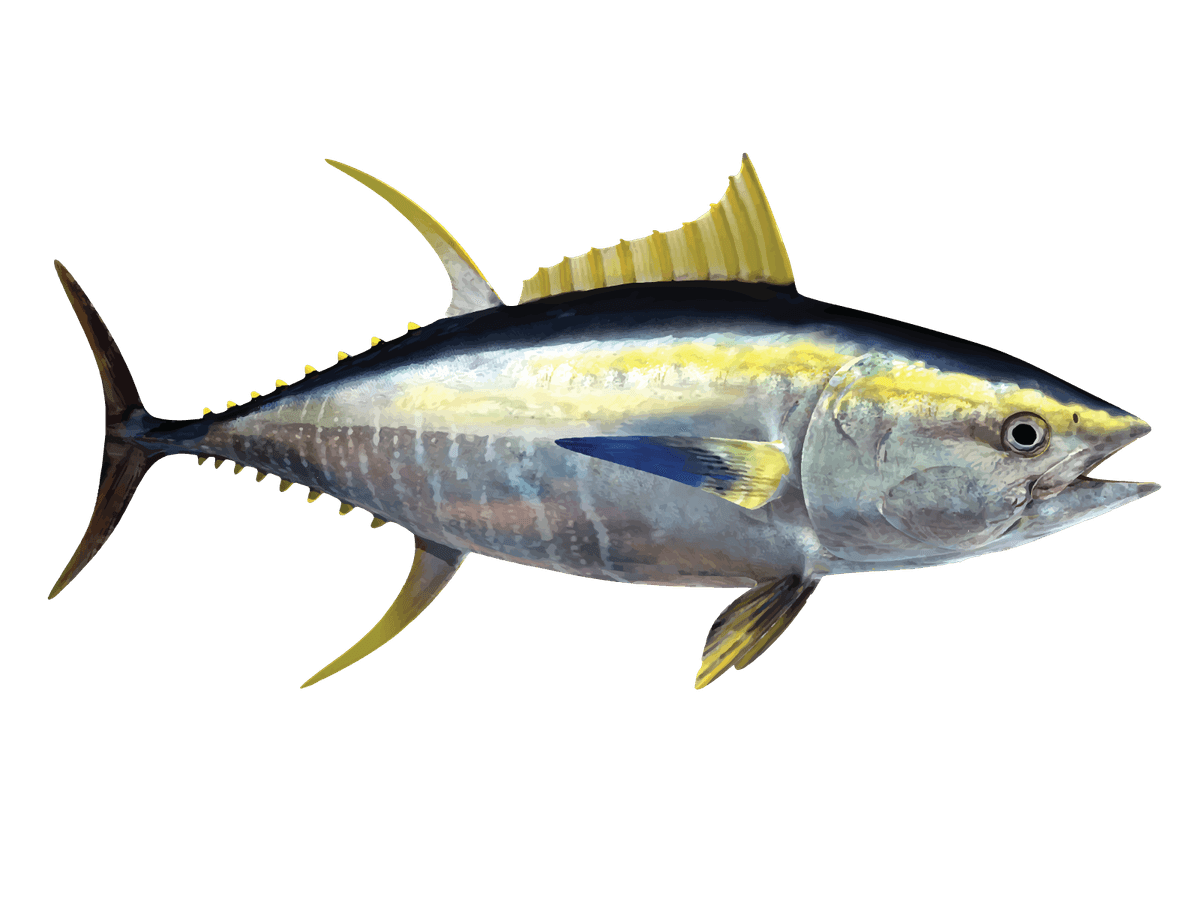
 Yellowfin Tuna
- 53-foot Hatteras targets mahi, tuna, snapper, and grouper offshore
- Premium equipment, bait, and fishing licenses included with experienced crew
- Climate-controlled comfort with spacious deck accommodates up to 6 anglers
Trip Pricing and Availabilities :
Trip pricing information is temporarily unavailable.
Offshore Fishing in Islamorada, Florida Keys
If you're looking for serious offshore action in the Florida Keys, you've found your boat. Poppa Wahoo Too isn't just another charter—this 53′ Hatteras sportfisher is built for the kind of deep water fishing that gets your blood pumping. We're talking about heading out where the Gulf Stream runs strong, where the bottom drops into thousands of feet of blue water, and where pelagic species roam in numbers that'll make your reel scream. Based out of Islamorada, we've got front-row access to some of the most productive offshore waters in the world, and our crew knows exactly where to find the fish when they're biting.
What to Expect on the Water
This isn't your typical half-day inshore trip—when you climb aboard Poppa Wahoo Too, you're signing up for a proper offshore adventure. We'll cruise out past the reef line where the water turns that deep cobalt blue that offshore anglers dream about. The ride out takes us over the famous Islamorada Humps, known staging areas where baitfish congregate and predators follow. Once we hit our fishing grounds, usually anywhere from 200 to 1,200 feet of water, it's game on. The boat handles beautifully in these conditions, staying stable even when we're fighting multiple fish at once. You'll have plenty of room to move around the spacious cockpit, and when you need a break from the Florida sun, the climate-controlled cabin provides the perfect escape. We keep the coolers stocked with ice, the engines purring, and the outriggers set just right to maximize your chances at hooking up with something special.
Trolling Tactics & Premium Gear
Offshore fishing in the Keys is all about covering water and presenting the right baits at the right speed. We run a spread of both artificial lures and live bait, depending on what the fish are telling us. Our go-to setup includes a mix of ballyhoo on circle hooks, diving plugs, and sometimes live pilchards or goggle-eyes when we can find them. The boat comes rigged with top-shelf Penn and Shimano reels spooled with fresh line, and our rod selection covers everything from 30-pound class tackle for smaller tuna to 50-pound gear for those bruiser mahi bulls that show up in schools. We'll typically troll between 6 and 9 knots, adjusting based on sea conditions and what species we're targeting. When the bite is hot, we might switch to live bait fishing or even try some high-speed trolling for wahoo. The crew handles all the rigging, bait prep, and deck work—your job is to hang on tight when that rod tip goes down and something big decides to make a run for the horizon.
Top Catches This Season
The variety of fish we see offshore keeps every trip interesting. Mahi mahi are probably our most reliable year-round target, especially from April through September when they show up in good numbers around floating debris, weed lines, and temperature breaks. These fish are pure energy when hooked, jumping and bulldogging all over the place. Wahoo fishing picks up during the cooler months, typically from November through March, and these speed demons will test your reflexes when they hit a high-speed lure at 40 mph. Both yellowfin and blackfin tuna patrol these waters, with blackfins being more common but yellowfins offering that extra size and fight that serious anglers crave. Atlantic sailfish are another highlight, especially during their winter migration when we'll sometimes see multiple sails in the spread at once. Each species brings its own personality to the fight, and our crew knows the little tricks that help you land more fish and make the most of every hookup.
Species You'll Want to Hook
Mahi Mahi, or dorado as some folks call them, are the bread and butter of Keys offshore fishing. These brilliant green and gold fish travel in schools and put on an aerial show that's second to none. Most of the mahi we catch run between 10 and 30 pounds, but we see bulls pushing 40-plus pounds, especially around floating debris or sargassum patches. They're most active during the warmer months when water temperatures climb above 78 degrees, and they'll hit everything from ballyhoo to diving plugs. What makes mahi special is their aggressive nature—when you find one, there are usually more nearby, leading to those epic multiple-hookup scenarios that make offshore fishing so addictive.
Wahoo are the speed freaks of the offshore world, capable of swimming at nearly 50 mph and known for their blistering initial runs. These silver bullets typically range from 20 to 60 pounds in our waters, with larger specimens showing up during peak season from December through February. They're ambush predators that prefer the edges of the Gulf Stream where cooler and warmer waters mix. Wahoo have razor-sharp teeth and a tendency to cut lines, so we use wire leaders and high-speed trolling tactics to trigger their predatory instincts. When a wahoo hits, you'll know it immediately—the rod doubles over and line starts melting off the reel like nothing you've ever experienced.
Yellowfin Tuna represent the holy grail for many offshore anglers, combining size, speed, and stamina into one incredible package. These fish can exceed 100 pounds in our waters, though most runs average between 30 and 80 pounds. They're most active during dawn and dusk periods and often require specific techniques like live bait fishing or chunk baiting to consistently hook up. Yellowfins are incredibly strong swimmers that will sound deep and fight you every inch of the way to the boat. The meat quality is outstanding, making them a favorite target for anglers who want both the fight and the feast.
Blackfin Tuna might be smaller than their yellowfin cousins, typically running 10
Learn more about the species
Atlantic Sailfish
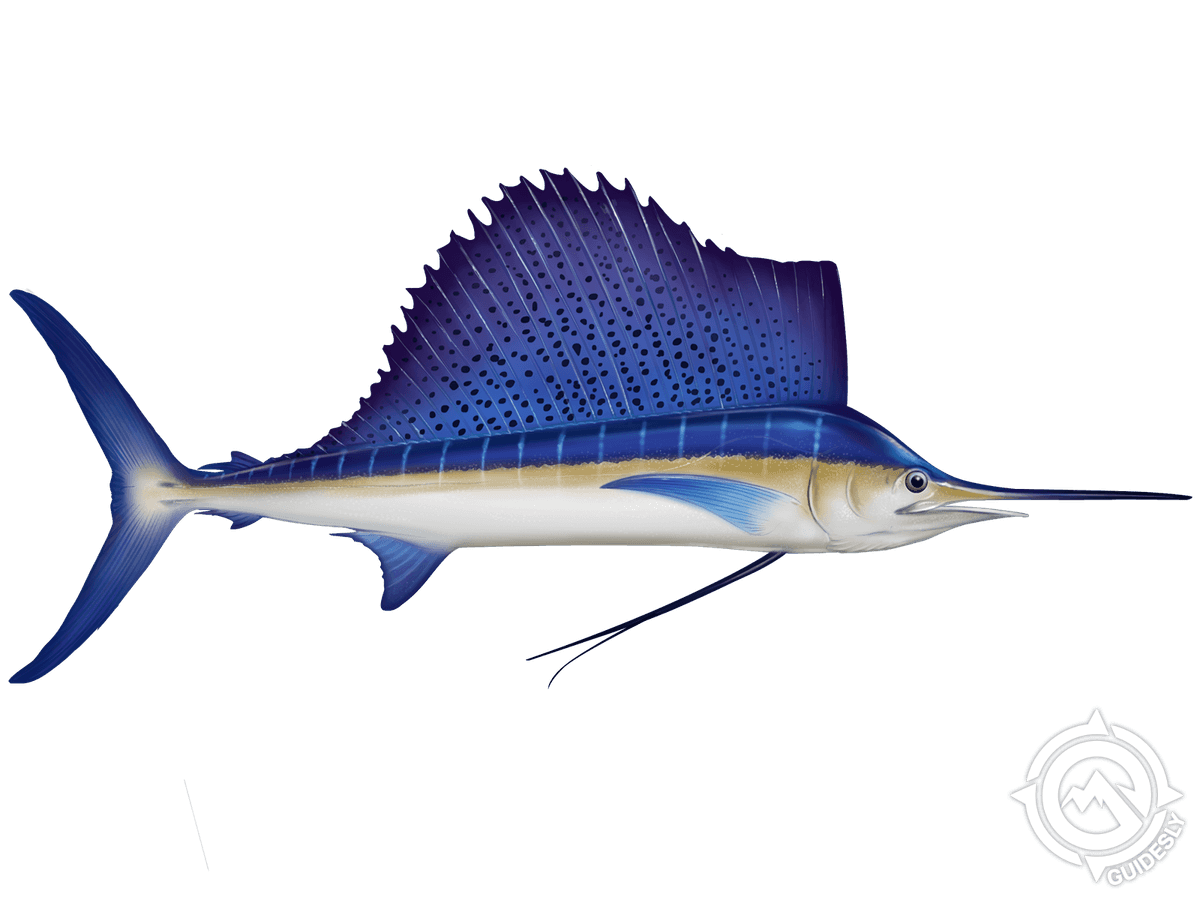
Sailfish are the crown jewel of our offshore fishing, averaging 7-8 feet and 50 pounds with that iconic dorsal fin and sword-like bill. We target them in 60-150 feet of water, typically along current edges and temperature breaks. Winter months are prime time here in the Keys - that's when they migrate through in good numbers. These fish put on a show like no other, jumping repeatedly and changing colors from blue to black during the fight. It's pure spectacle fishing. While they're catch-and-release only, the experience is what you're after. The secret is working them slowly when trolling - let your baits swim naturally behind the boat, and when one shows up, keep tension steady but don't horse them.
Blackfin Tuna
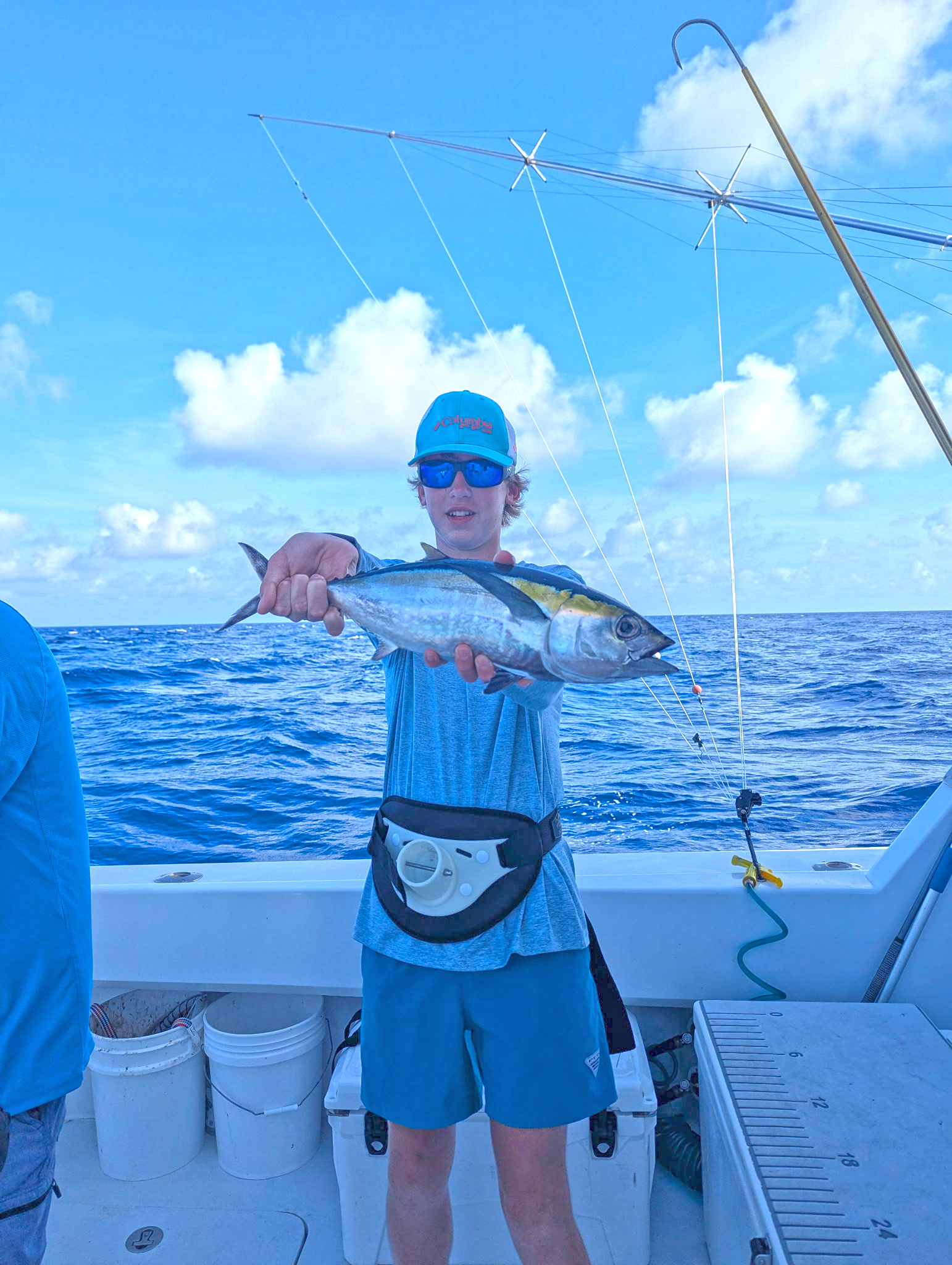
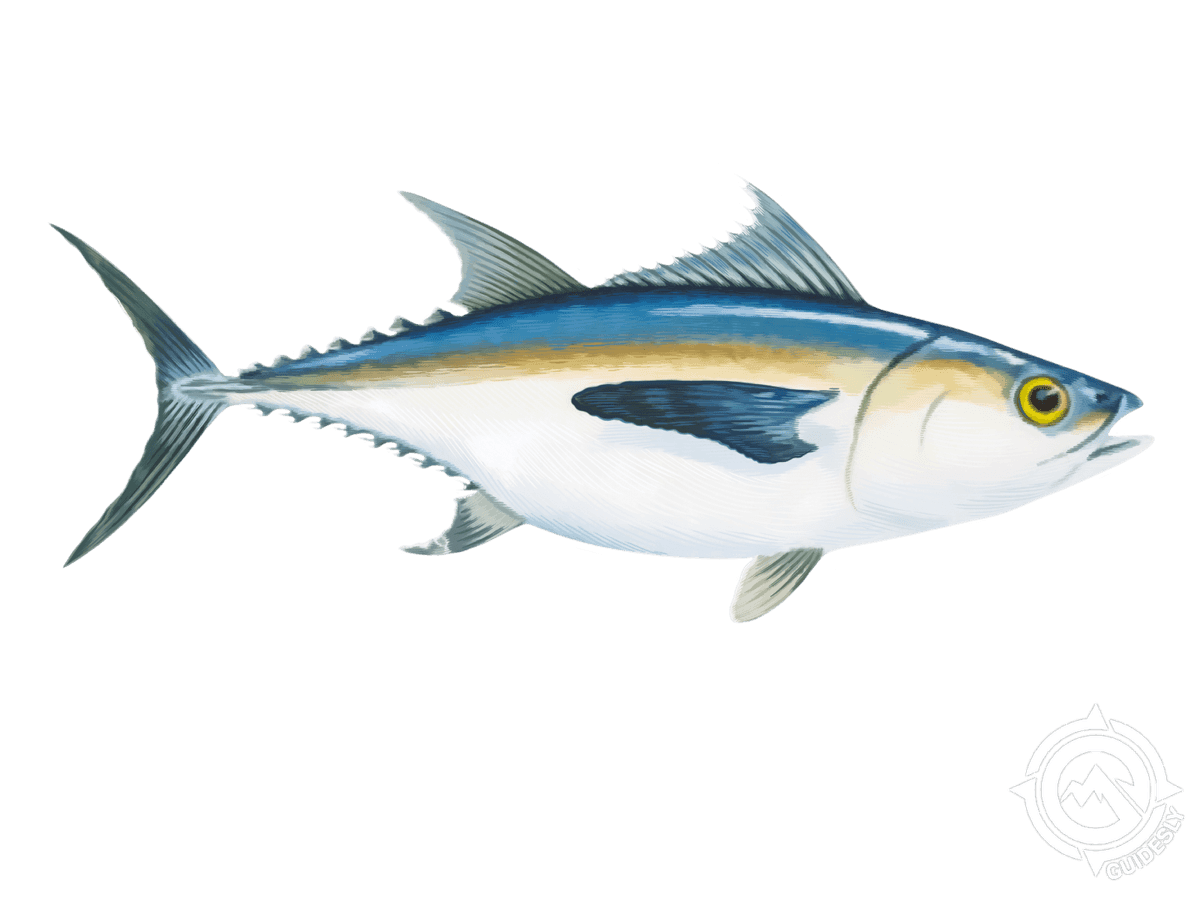
Blackfin are the scrappy little fighters of the tuna family, usually running 10-20 pounds with that classic tuna body shape and distinctive black coloring. We find them in 100-300 feet of water near the continental shelf, and they're most active here during fall, winter, and spring months. Don't let their size fool you - pound for pound, these fish fight as hard as any tuna out there. They school up tight and can provide steady action once you find them. The meat is excellent - dark, rich, and perfect for searing or sushi. Here's the key with blackfin: they're spooky with great eyesight, so scale down your tackle. Use 30-pound fluorocarbon leaders and 5/0 circle hooks, and chunk with live pilchards to draw them up.
Mahi Mahi or Common Dolphinfish
These golden beauties are what offshore dreams are made of. Mahi average 15-29 pounds but can push 40+ in our waters. You'll find them around floating debris, weedlines, and current breaks, usually in the top 100 feet. They're most active during daylight hours and peak here from spring through fall. What makes them special? That electric color show as they fight - flashing gold, blue, and green before fading once boated. Plus, they're fantastic eating with firm, mild flesh perfect for grilling. They're strong swimmers that'll test your arms, but the real trick is once you hook one, keep the boat moving toward any floating debris nearby - where there's one mahi, there's usually a school.
Wahoo Fish
Wahoo are the speed demons of the deep, hitting 50+ mph and averaging 3-5 feet long around here. We find them in open water from 30-200 feet, often near structure or current edges. Peak season runs July through November when they're thick in our area. These fish are pure adrenaline - that initial run will strip line like nothing else, and they're notorious for those heart-stopping jumps. The meat is outstanding too - firm, white, and mild with a texture similar to swordfish. Most anglers love them for tacos or grilling. Pro tip: when trolling for wahoo, run your lures fast at 12-15 knots and use wire leaders - their razor teeth will slice through anything else in seconds.
Yellowfin Tuna
Yellowfin are the heavy hitters we target in deeper offshore waters, typically running 60-100 pounds out here with some pushing much bigger. These torpedo-shaped fish cruise the top 300 feet of water and can hit 50 mph when they want to. We see them year-round, but summer months bring the best action. What sets them apart is that bulldogging fight - once hooked, they'll sound deep and test your stamina for the long haul. The payoff is incredible sushi-grade meat that's worth every minute of the battle. When we're marking fish but they won't bite the trolling spread, switching to vertical jigs often does the trick. These fish have sharp eyes, so sometimes going lighter on your leader makes all the difference.
About the Poppa Wahoo Too
%2F%2Fusers%2Fe4403e39-8c2f-4db1-9f16-5c3fd163d4b3%2Fvehicle_picture%2Fpoppawahootoo_photo_1125-mkwy1a9i.jpg&w=1200&q=75)
Vehicle Guest Capacity: 6
Manufacturer Name: Cummins
Maximum Cruising Speed: 40
Number of Engines: 2
Horsepower per Engine: 660